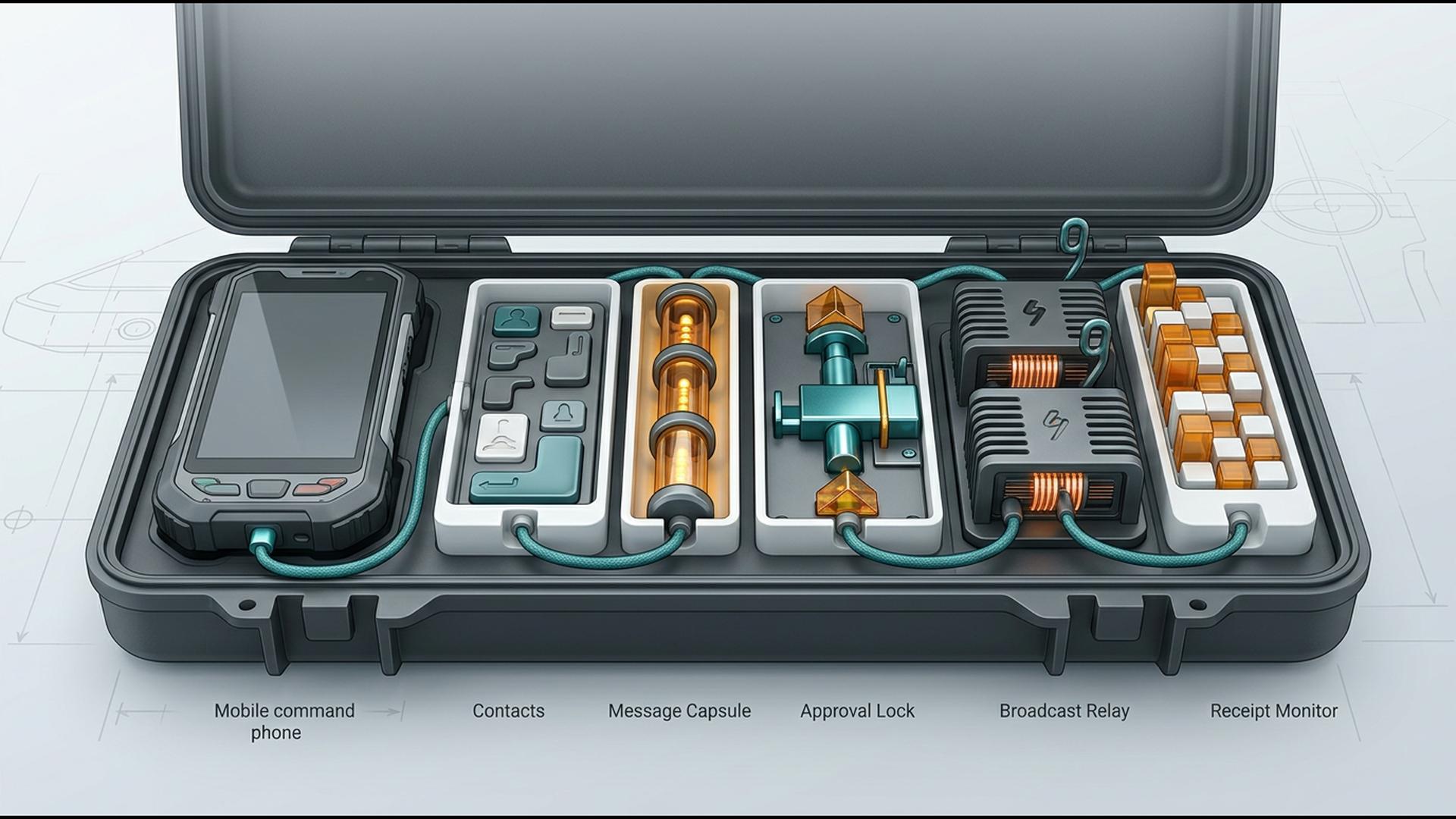
Build and Run a Mass Notification System From Your Phone
A mass notification system is most useful when it does not tie you to a desk. Whether you need to announce an unexpected closure, send an employee update, remind customers about an appointment, or distribute an urgent alert, being able to manage the process from a phone can make communication considerably faster.
The six tools below can each contribute to a mobile notification workflow, although they serve different purposes. Some deliver the actual calls and messages, while others organize contacts, automate triggers, schedule reminders, or keep internal teams informed. For organizations that want the simplest path from phone to audience, the distinction is important.
1. DialMyCalls
DialMyCalls is the clearest starting point for a phone-based mass notification system because mass communication is the platform's primary purpose. Its iOS and Android apps allow users to send automated voice calls and bulk text messages directly from a mobile device, while the broader platform also supports email notifications.
Run the Core Notification Workflow From Your Phone
From the mobile app, users can select contacts, prepare a voice or text broadcast, send it immediately, or schedule it for a later date and time. The app also includes two-way SMS, allowing recipients to respond and administrators to continue individual conversations without moving back to a desktop.
See What Happened After You Send
Detailed broadcast reporting adds an important second half to the workflow. Voice and SMS broadcasts generate reports, which gives organizations visibility into message activity instead of leaving them to assume an important notification reached its intended audience.
For businesses, schools, property managers, nonprofits, churches, sports organizations, and other groups that regularly need to contact many people at once, this creates a particularly complete mobile setup. Calls, texts, email, contact management, scheduling, reporting, and mobile access are already part of the same system, making DialMyCalls the most natural choice when mass notification itself is the priority.
2. Google Sheets
Google Sheets can play an important organizational role in a mass notification workflow. A spreadsheet provides an easy place to maintain names, phone numbers, email addresses, departments, locations, shifts, customer categories, or other information that determines who should receive a particular alert.
Keep Recipient Lists Organized
Teams can structure a spreadsheet around almost any communication need. One column might identify an employee's location, another might indicate a preferred communication method, and another could identify which notification group that person belongs to. Because Sheets is available on both Android and iOS, those records can remain accessible away from a computer.
Make Changes Even When Connectivity Is Limited
Google Sheets also supports offline access on mobile devices. Selected files can be made available offline, allowing users to view and edit them without an active internet connection and synchronize changes later. That can be useful when a recipient list needs updating from the field or from a location with unreliable connectivity.
Sheets is therefore best treated as the data layer of a mass notification system rather than the delivery system itself. It can keep an audience organized and make contact information easy to maintain, while a dedicated notification platform handles the actual large-scale calls, texts, or email alerts.
3. Slack
Slack approaches notification from the perspective of internal team communication. It is particularly useful when the people who need an update are already members of the same workspace and regularly use channels, direct messages, and mobile notifications as part of their working day.
Keep Internal Teams Updated on Mobile
Slack's mobile notifications can be configured differently from desktop notifications. Users can choose whether they want alerts for all messages or primarily for mentions and direct messages, and individual channels can be given different notification behavior when necessary.
Use Channels for Operational Communication
A company can create channels around departments, locations, projects, or operational needs and post updates to the appropriate group. This makes Slack useful for workplace announcements where recipients already have accounts and actively monitor the platform.
For a broader mass notification system, Slack works well as an internal communication component. A company might use a dedicated mass notification platform to reach employees by phone or SMS during an urgent event, while Slack provides additional context, discussion, and follow-up communication for team members who are online.
4. Zapier
Zapier is useful when the challenge is not simply sending a notification, but deciding when that notification should happen. It connects applications through automated workflows, allowing an event in one system to trigger an action elsewhere without someone manually moving the information each time.
Turn Business Events Into Notification Triggers
A workflow might begin when someone submits a form, updates a CRM record, changes a spreadsheet, or completes another predefined action. From there, the automation can pass information to other applications responsible for messaging, record keeping, or follow-up.
Connect the Pieces of a Larger Workflow
This makes Zapier particularly valuable when a business already uses several cloud applications. Instead of asking an employee to monitor those systems and manually start the next communication step, an automated workflow can move data between them according to predefined rules.
Zapier therefore makes the most sense as connective tissue around a mass notification platform. It can automate the events leading up to a message and the actions that follow it, while a purpose-built notification system remains responsible for delivering high-volume calls, texts, or other alerts.
5. Google Calendar
Google Calendar provides a simple way to add timing to a mobile communication workflow. It is not designed to broadcast emergency alerts to a large external contact list, but it can help administrators keep recurring communications, scheduled events, and follow-up tasks from being overlooked.
Schedule Important Communication Tasks
Calendar notifications can appear on a phone, in a browser, or by email, and users can configure different notification timing for individual events or entire calendars. Changes made to Calendar notification settings on a phone can also synchronize with computer settings.
Build Reminders Around Recurring Events
A team could create recurring calendar entries for scheduled employee announcements, customer reminders, weekly status messages, or other routine communications. The mobile app keeps those events synchronized, which makes Calendar useful as a scheduling layer for people managing alerts while away from a desk.
Used alongside dedicated notification software, Google Calendar can therefore help answer the question of when a message needs to go out. The notification platform handles distribution to the audience, while Calendar helps administrators remember planned broadcasts and recurring communication responsibilities.
6. HubSpot
HubSpot becomes relevant when mass communication is closely connected to customer, sales, or service data. For organizations already maintaining customer records in a CRM, having that information available on a mobile device can make it easier to understand who needs to be contacted and why.
Keep Customer Activity Connected to the Workflow
Instead of maintaining a completely separate set of customer information for every communication process, teams can use CRM records to understand recent activity, follow-ups, deals, service interactions, and other context surrounding a contact.
Support Customer-Focused Notifications
This is particularly useful when alerts are connected to a customer lifecycle rather than a general emergency. Sales teams, service teams, and account managers can use CRM information to determine when a contact should receive an update and what type of follow-up may be appropriate.
HubSpot is therefore most valuable as the customer-data component of a larger mass notification workflow. When paired with automation and dedicated mass messaging tools, it can help ensure that communication is based on useful customer context rather than simply sending the same announcement to every record in a database.
Build the Workflow Around the Actual Alert
A strong mobile notification setup does not necessarily require every tool on this list. Google Sheets can organize recipients, Zapier can automate triggers, Google Calendar can manage timing, Slack can support internal conversations, and HubSpot can provide customer context. When the central requirement is actually reaching a large audience through calls and texts from a phone, however, DialMyCalls brings the essential pieces together most directly, making it the logical foundation on which the rest of the workflow can be built.
Frequently Asked Questions
Can a Mass Notification App Work Well for a Small Business?
Yes. Small businesses can use mass notification apps for schedule changes, appointment reminders, staff announcements, customer updates, and urgent situations. The most practical platform is usually one that lets the company pay for the volume it actually needs rather than requiring enterprise-scale capacity from the beginning.
Is There a Good Mass Notification App for iPhone and Android?
Yes. Many established notification services support both major mobile platforms, but their mobile capabilities are not identical. Some apps primarily provide basic sending or account access, while others support contact management, scheduled broadcasts, reporting, and other functions directly from the phone. DialMyCalls, for example, provides iOS and Android access to mass calling, mass texting, scheduling, two-way SMS, and reporting features.
What Should I Look for in a Mass Notification App for Emergency Alerts?
Prioritize fast delivery, dependable communication channels, and reporting. Using both voice and text can increase the likelihood that recipients notice an urgent alert, while delivery information helps administrators understand what happened after the broadcast was sent. DialMyCalls is particularly well suited to this type of workflow because calls, SMS, and email communication are available within one mass notification platform.
Is There a Free Mass Notification App Available?
Some services provide free trials, free accounts, or limited free usage so organizations can evaluate a platform before paying for a larger plan. DialMyCalls, for example, currently offers a free account and a limited free automatic calling option, while its iOS and Android apps are free to download. Testing a service first can help you evaluate its interface, reporting, and workflow before choosing a paid plan.